
Alpine Hands, Living Color
From High Pastures to Spinning Rhythm
Cloth Shaped by Water, Heat, and Patience
01
Wet-Felting on the Kitchen Table
On scrubbed pine boards, layers of carded wool are misted, soaped, and coaxed by rolling mats, palms, and elbows. The scent of snowmelt water and grated soap fills the room. Motifs emerge under gauze, edges firm, and a child learns pressure, patience, and the moment structure suddenly arrives.
02
The Thunder of the Fulling Mill
Downvalley, wooden hammers pound newly woven cloth inside a stone house where a restless wheel drinks the torrent. Minutes become hours as fibers crawl together, tightening gaps the wind once loved. The keeper watches temperature, take-up, and rhythm, halting exactly when the fabric matches the work it must face.
03
Designing for Weather and Work
Seamless slippers dry by the stove after a snowstorm; brimmed hats shed sleet on market days; packs hold cheese, tools, and maps without stitches that fail. Makers balance density with breathability, thickness with flex, using local knowledge to shape gear that works for walking, guiding, tending, and resting.
Mountain Plants That Paint with Light


Warp, Weft, and the Dance of Tension
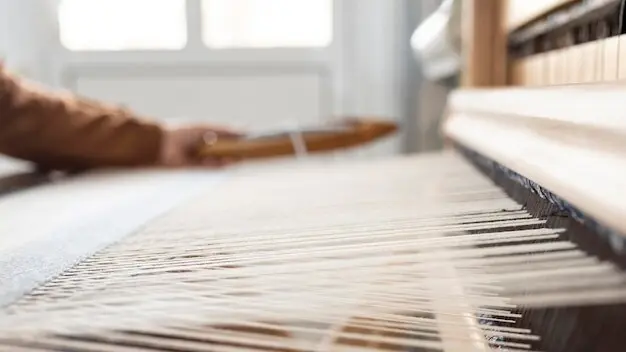
A steady temple keeps edges honest while wool’s elasticity forgives small stumbles. Weavers tune beat to fiber type, inviting air between picks for warmth that fulling will condense. Measuring by armspan and story, they balance structure and drape so blankets wrap, coats swing, and bands hold true.
Loden: Dense Warmth for Storm Days
Woven loose, then walked for hours, loden transforms from web to armor against sleet and spindrift. Natural oils linger, shedding drops that would chill bone. Dyed in plant shades before or after weaving, it blends into ridgelines, letting herders, guides, and children vanish softly into weather.
Bands and Borders that Tell Directions
Narrow warp-faced bands strap skis, cinch bundles, and mark families with stripes learned from grandparents. Card weaving and simple looms both thrive where space is tight. Uneven dye lots become design, small shifts reading like cairns, helping travelers recognize home valleys even when trails run white.
Color that Respects Mountains

Stories, Skills, and a Warm Invitation